Why Your Central Heating System Needs an Annual Check-Up
Your central heating system is arguably the hardest-working appliance in your home, yet it's often the most neglected—running silently, sometimes for years, until that inevitable, costly winter breakdown. Just as you wouldn't drive a car for tens of thousands of kilometres without an oil change, you shouldn't rely on your boiler or heat pump without a professional annual service.
This isn't just about preventing an emergency; it's about safeguarding your family's safety, maximising your system's efficiency, and ensuring the long-term health and lifespan of a major home investment. Booking that service now is the smartest, most budget-friendly decision you can make.
The Importance of Servicing
Servicing your central heating system is an essential preventative measure that protects your property, your bank account, and, most importantly, your family. Skipping a service might save a small amount now, but it drastically increases the risk of a major, expensive, or dangerous failure later.
- Maximise Efficiency: A well-maintained system produces heat as cleanly and efficiently as possible, reducing energy waste and lowering your monthly heating expenses. The professional cleaning and fine-tuning performed during a service often restore systems to peak performance, potentially saving you money over the heating season. For both boilers and heat pumps, ensuring that heat exchangers are clean is critical to maximising efficiency.
- Safety First: This is non-negotiable. For all combustion systems (gas, diesel, or biomass), annual servicing is crucial for safety. The service technician checks for dangerous carbon monoxide leaks—a toxic, odourless, and invisible gas. They also ensure flues and ventilation are clear and operating correctly to safely remove exhaust gases from your home.
- Water Quality: your system’s water is its lifeblood. The service includes checks on the system’s water quality, including testing the level of protective inhibitor chemicals. Inhibitors prevent the build-up of internal corrosion, rust, and scale. Ignoring this can lead to system blockages, cold spots on radiators, worn valves and pumps, and eventually, the failure of expensive components like the heat exchanger. This simple check ensures longevity and smooth operation
- Extend Lifespan: An annual inspection identifies and fixes minor issues—such as a worn seal, a slightly strained pump, or initial scale build-up—before they escalate into catastrophic failures. By replacing small, cheap components or making minor adjustments early, you dramatically extend the operational lifespan of your boiler or heat pump and avoid the headache of emergency winter replacement.
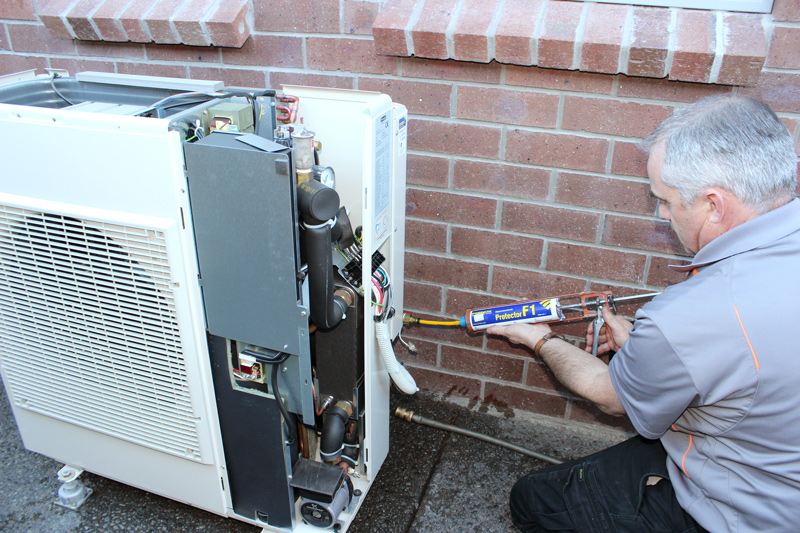
What to Expect from a Service
A professional central heating service is a thorough inspection and tune-up, not a quick once-over. If your service technician is finished in under 30 minutes, you should question the quality of the work. A proper, comprehensive service takes time because the must check critical components for safety and efficiency.
Here is what you should expect from a professional and detailed annual check:
- Combustion Analysis and Safety Checks: The technician performs a combustion analysis test to ensure the boiler is burning fuel cleanly and safely. They inspect and test the operation of all safety and control functions.
- Flue Integrity Check: The technician will confirm that there are no leaks from the flue either back into the appliance or anywhere along the length of the flue until the terminal. This is essential for safety.
- Heat Exchanger Inspection & Cleaning: For both heat pumps and boilers, the cleanliness of the heat exchanger is critical for efficiency. It will be inspected and cleaned to ensure maximum heat transfer and correct operation.
- Controls and Components: The correct operation of the system’s control components will be tested, including pressure relief valves, control valves, and thermostats.
- System Pressure and Expansion Vessel: The operating pressure of the system will be checked and adjusted. Critically, the pre-charge of the system's expansion vessel is checked to ensure the system operates safely within its allowable pressure range.
- Water Quality Testing: A test of inhibitor levels in the system's circulating water is critical. If levels are low, the technician will top up the inhibitor and check the final concentration to confirm corrosion protection has been achieved. This directly prevents internal corrosion and sludge build-up, for systems that are frequently found to have low inhibitor levels at annual services, more frequent servicing to address this may be required.
By ensuring these key areas are addressed, it confirms your system is running safely, efficiently, and reliably for the year ahead.
Service Records
After a professional service is complete, many homeowners simply accept a handshake and a verbal confirmation of "It's all good." This is not enough. A top-tier, professional service technician will always provide a comprehensive, written Service Report, and you should insist on receiving one.
A written servicing report is critical to ensure;
- Proof of Safety: For gas and diesel systems, the report confirms that the engineer tested for dangerous carbon monoxide leaks and that the combustion readings meet manufacturers standards. It’s your official proof that the system is safe for you and your family to operate.
- Warranty Protection: Should an expensive part fail down the line, manufacturers require documented proof of regular servicing to validate any warranty claims. No report often means no coverage.
- System History: This document creates a crucial maintenance record. It allows the next service technician (or the same one) to quickly track the system’s health, monitor wear-and-tear, and see patterns in issues, leading to faster, more accurate repairs.
What to look for in your servicing report:
| Section | Key Information |
|---|---|
| Business & Service Technician | Full name of the company and name of the technician who completed the service. |
| Service Summary | A checklist confirming specific tasks completed (e.g., combustion analysis done, heat exchanger cleaned, expansion vessel pre-charge checked). |
| Service Results | Key results from the work: combustion analysis figures, system pressure, pre-charge pressure, and if any adjustments were necessary. |
| Water Quality | Results from testing of the inhibitor levels, volume of additional inhibitor added, and final water quality results. |
| Recommendations | Any identified issues that need monitoring or recommended repairs/upgrades (e.g., "Pump showing signs of strain," or "Recommend a system flush next year"). |
| Confirmations | Date and time the work was completed. |
If a service technician cannot provide a detailed, written breakdown of their findings, question the thoroughness of their work. By demanding a written report, you are ensuring you receive the high standard of service your home investment deserves.
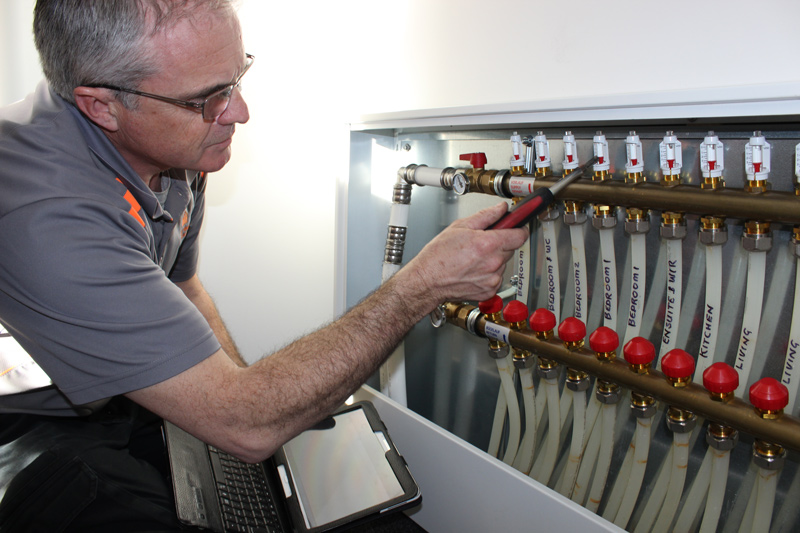
Book Your Service Today
By commissioning a capable service technician every year, you are not just ensuring a warm home; you are:
- Guaranteeing the safety of your home from silent threats like carbon monoxide.
- Saving significant money on energy bills by restoring peak efficiency.
- Extending the life of your expensive equipment by catching minor faults early.
When you book your service, commit to receiving a detailed, written service report. This report is your proof of safety, your warranty protection, and your maintenance record, providing peace of mind until the next annual check-up.
Don't wait for a freezing breakdown to remind you of your system's importance. Book in your annual service today and invest in a safer, more efficient, and longer-lasting central heating system.