If you have a home loan with one of New Zealand's four major banks, there's a good chance you can fund your central heating system through a green home loan at 0–1% p.a. It's one of the most affordable ways to upgrade your home heating, and our systems qualify.
What is a green home loan?
New Zealand's major banks offer green home loans as a top-up to your existing mortgage, specifically for energy-efficient home improvements. The rates are well below standard lending as low as 0% with Westpac and 1% with ANZ, BNZ and ASB because the banks want to support homeowners making the switch to cleaner technology.
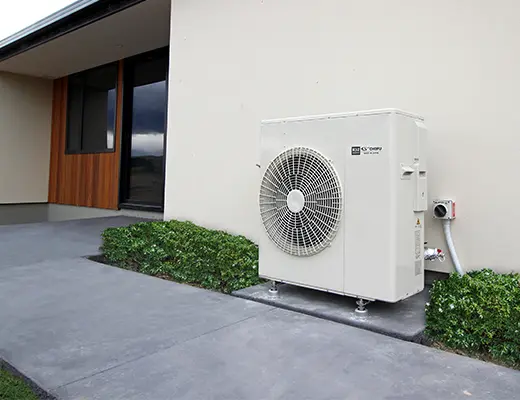
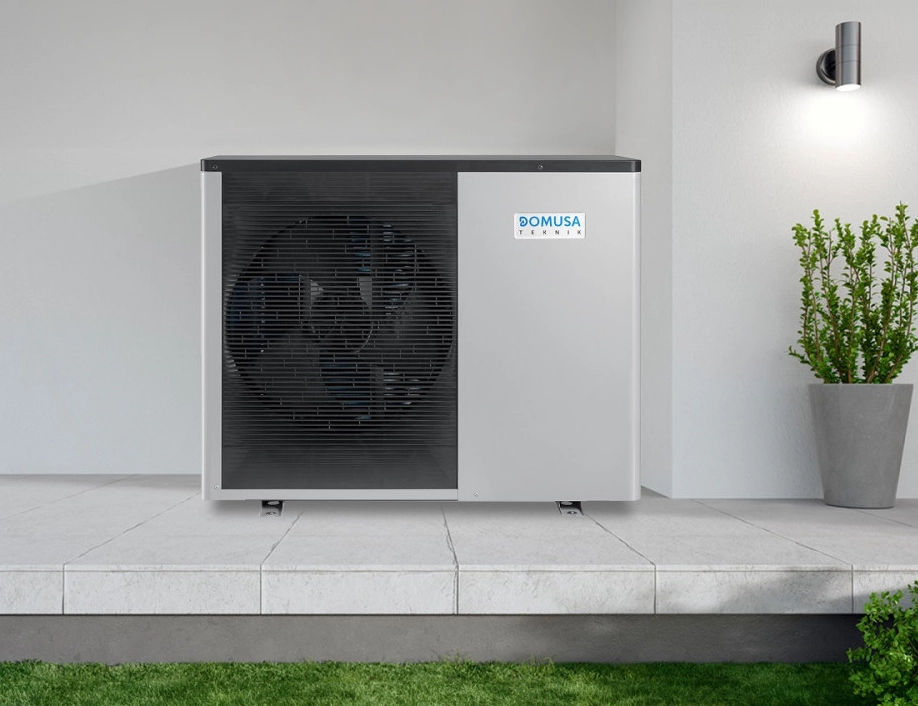
Heat pump systems are an eligible category across all four banks, and that includes our Chofu and Domusa air-to-water systems used in underfloor and radiator central heating. Better still, the loan covers your whole system installation, not just the heat pump itself.
Green home loan comparison: NZ banks 2026
Check what your bank currently offers before applying, as rates and terms can change.

Bank with someone else? Call them and ask whether they offer a green home loan for heat pump systems. We can give you the right questions to ask and provide a quote to back up your application.
Central heating and eligible heat pump systems
Central heating heats your whole home from one heat pump. No cold rooms, no noise, no fuss. Water is heated and circulated through underfloor pipes or radiators, giving you steady, even warmth throughout the house. It's better for air quality too, which makes a real difference for anyone with asthma or allergies.
Both our Chofu and Domusa heat pump ranges are accepted by all four banks under their green loan programmes. We quote for the complete system, so your bank gets everything they need in one document.
How to apply
Get a quote from Central Heating NZ
We design your system and provide a full quote covering everything the heat pump, pipework, controls and any hot water cylinder. That's what your bank needs.
Call your bank
Ask about their green home loan or green top-up. Tell them you're looking to fund a heat pump system for central heating. We can walk you through the right questions to ask.
Submit your application
Your bank will check your eligibility you'll generally need an existing home loan and at least 20% equity. Most approvals come through within 5–10 business days.
We get to work
Once you're approved, we book your installation. Your bank will advise how they will make payment, so you can get on with enjoying the warmth.
Frequently asked questions
Do your heat pump systems qualify for a green home loan?
Yes, with all four major banks. ANZ, Westpac, BNZ and ASB all accept our systems under their green home loan programmes. Get a quote from us and take it to your bank.
Will the bank fund the full system, not just the heat pump?
Yes. We put together one quote for the whole job heat pump, underfloor pipework or radiators, manifolds, controls, thermostats and hot water cylinder. The banks fund the complete installation from that single quote.
Can I use a Warmer Kiwi Homes grant as well?
Yes. If you're eligible for a Warmer Kiwi Homes grant through EECA, apply for that first as it brings down the amount you need to borrow. A green home loan can then cover the rest. Check your eligibility at eeca.govt.nz.
How much equity do I need?
Most banks ask for 20% equity if it's your home, and 30% for an investment property. Your bank will confirm what applies to you.
What happens when the low rate period ends?
With ANZ, BNZ and ASB the balance moves to their standard floating rate after three years. With Westpac, the 0% rate runs for five years and a default rate applies to anything still outstanding after that. It pays to clear the balance before the term is up.
Get started
Talk to us about your options.
We'll design your system, pull together your quote, and help you through the green loan process from start to finish.

Rates, loan limits and eligibility criteria vary between banks and can change. Always check current terms with your bank before applying. This page is general guidance only and does not constitute financial advice. Last updated August 2026.